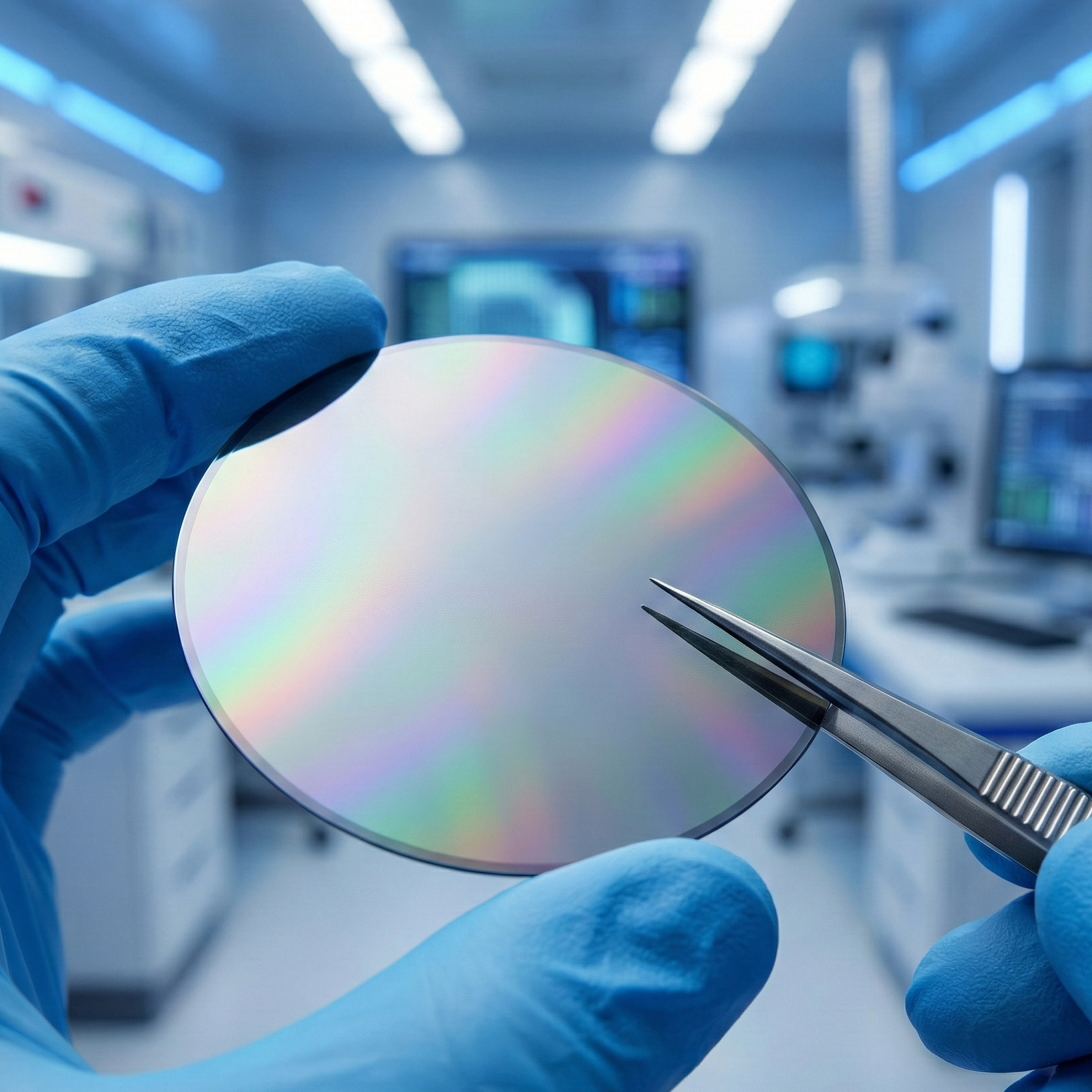
The global demand for electric vehicles is skyrocketing, leading to an urgent need for sustainable recycling technologies for the massive volume of spent batteries. A research group led by Professor Masaru Watanabe at Tohoku University has established a groundbreaking membrane separation process capable of recovering valuable metals from waste Lithium Ion Batteries with high efficiency.
This innovative technology transforms commercially available nanofiltration membranes into high-performance Lithium recovery tools through a simple surface modification process. Currently, the mainstream method for recycling Lithium Ion Batteries is the hydrometallurgical process (wet method). While this traditional approach offers high recovery rates and low energy consumption compared to smelting, it suffers from significant drawbacks: it requires large quantities of chemical reagents and involves a highly complex process to isolate Lithium.
The newly developed nanofiltration membrane addresses these challenges head-on. The technology exploits the subtle differences in the "ion charge" and "hydration radius" of various metals. By modifying the membrane surface, the researchers have achieved high-precision separation that was previously difficult to attain. This allows for the selective passage of Lithium ions while blocking other metals, drastically simplifying the recovery process.
This development is poised to become a game-changer in the field of battery recycling. By reducing reliance on harsh chemicals and streamlining the separation steps, it offers a "green" alternative that lowers environmental impact while maintaining high selectivity. As the world moves towards a circular economy, such advanced membrane technologies will play a crucial role in securing the supply chain of critical minerals.