The global semiconductor supply chain is embracing a critical capacity expansion in high-purity chemical manufacturing. Tokuyama Corporation, a leading global chemical manufacturer, has officially announced a major expansion project for high-purity isopropyl alcohol, commonly known as high-purity IPA, in Taiwan. To ensure a stable and resilient supply of this essential semiconductor cleaning agent, Tokuyama will construct a second manufacturing plant at its consolidated subsidiary, Formosa Tokuyama Advanced Chemicals, located in Kaohsiung, Taiwan.
Formosa Tokuyama Advanced Chemicals was established in October 2020 as a fifty-fifty joint venture between Tokuyama and Formosa Plastics Corporation, a major petrochemical giant in Taiwan. This strategic partnership combines Tokuyama's advanced synthesis and purification technology with Formosa Plastics' local raw material supply and logistical network.
The expansion project will add an annual production capacity of thirty thousand metric tons, effectively doubling the current capacity of thirty thousand metric tons to a combined total of sixty thousand metric tons per year. The new facility is scheduled to begin commercial operations in September 2028.
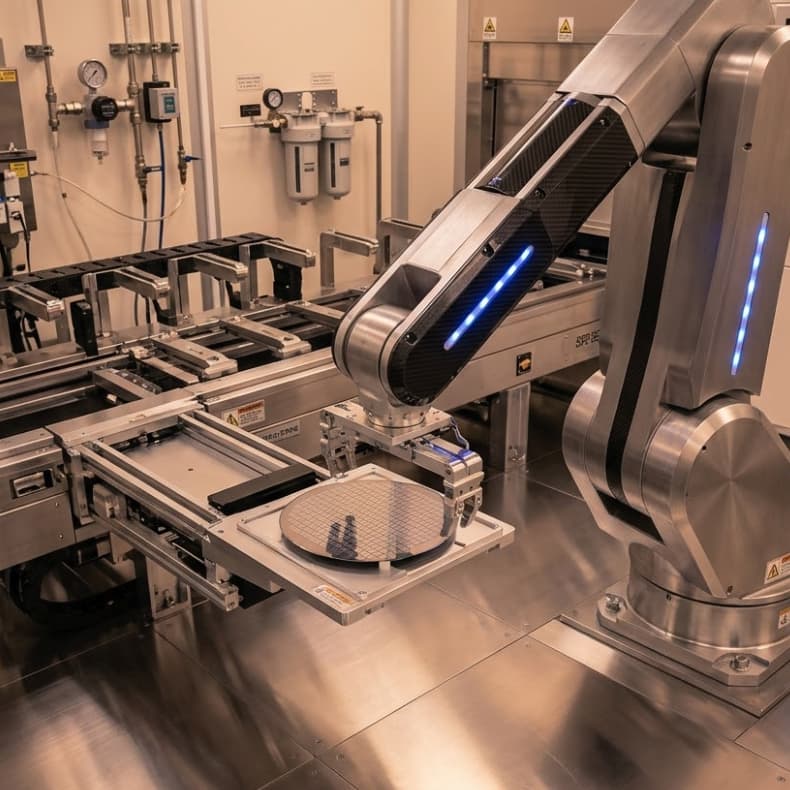
This aggressive capacity boost is driven by the rapid advancement of semiconductor fabrication nodes, particularly the transition toward advanced extreme ultraviolet lithography processing, microscopic miniaturization, and complex three-dimensional stacked architectures. As semiconductor chips become more intricate, the demand for ultra-clean materials skyrocketed. High-purity IPA plays a pivotal role in removing water molecules and microscopic contaminants from silicon wafers after the etching and rinsing stages, preventing structural defects. By placing the new capacity directly in Taiwan, the world's premier hub for advanced foundry manufacturing, Tokuyama aims to strengthen regional supply chain security and support the next generation of semiconductor technology.