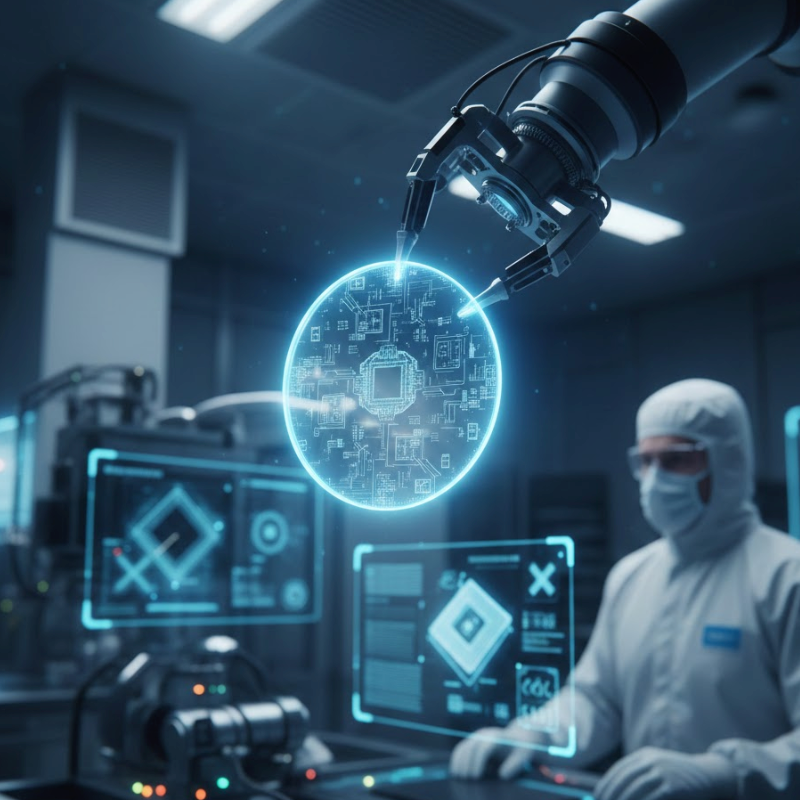
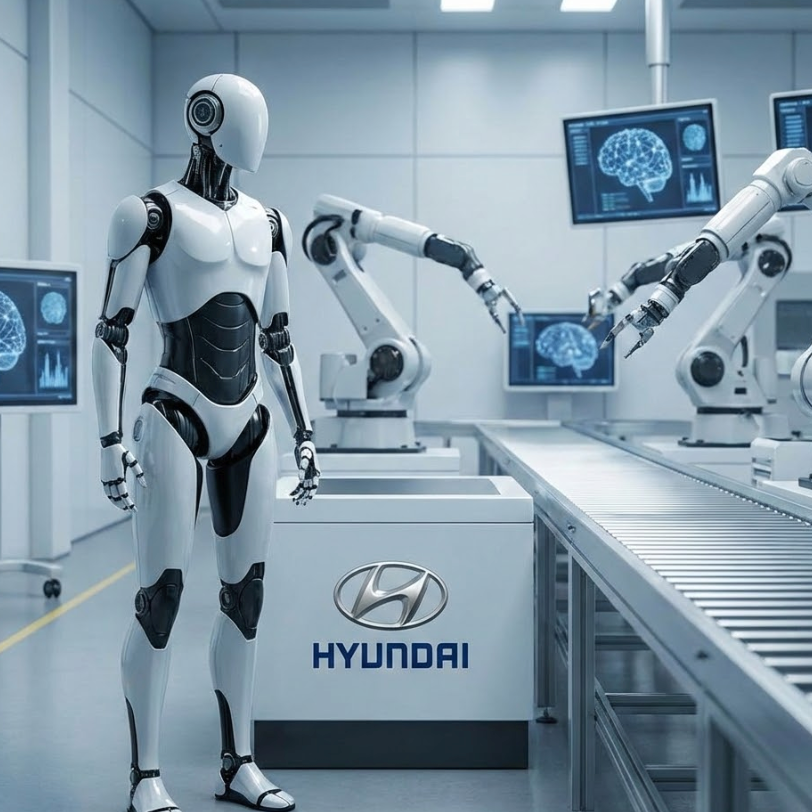
Hyundai Motor Company, South Korea's largest automaker, is making a decisive move to internalize the production of all-solid-state batteries, a technology often hailed as the "game changer" for electric vehicles. This strategic shift aims to reduce reliance on external suppliers and secure a competitive edge in next-generation mobility.
The Uiwang Pilot Line: A New Era Begins
According to recent industry reports, Hyundai has established a dedicated pilot line for all-solid-state batteries at its Research Institute located in Uiwang City. This facility is scheduled to commence operations in March twenty twenty-five.
The company plans to ramp up this line to full capacity by the second half of twenty twenty-five. Once fully operational, the facility is expected to secure a substantial quantity of solid-state batteries sufficient for rigorous vehicle testing. This marks a significant transition from research and development to practical manufacturing verification.
Why All-Solid-State?
Current electric vehicles predominantly use lithium-ion batteries containing liquid electrolytes, which pose risks of flammability and limit energy density. All-solid-state batteries replace this liquid component with a solid electrolyte. This substitution significantly enhances safety by minimizing fire risks and allows for higher energy density, translating to longer driving ranges and faster charging times.
Timeline for Prototypes
Market analysts in Seoul are optimistic about Hyundai's progress. Predictions suggest that a pilot electric vehicle equipped with these internally produced all-solid-state batteries could emerge as early as the beginning of twenty twenty-six. This aggressive timeline underscores Hyundai's commitment to leading the global transition to advanced electrification technologies.
By internalizing this core technology, Hyundai is not just building a battery; they are securing the heart of their future vehicle lineup.