South Korea’s Artificial Intelligence Data Center Boom: Samsung and Tech Giants Lead the Billion-Dollar Charge

South Korea’s Artificial Intelligence Data Center Boom: Samsung and Tech Giants Lead the Billion-Dollar Charge

Diamond Semiconductor to Launch Commercial Sales in July: A New Era for Ultimate Semiconductors Reading South Korea’s Artificial Intelligence Data Center Boom: Samsung and Tech Giants Lead the Billion-Dollar Charge 2 minutes
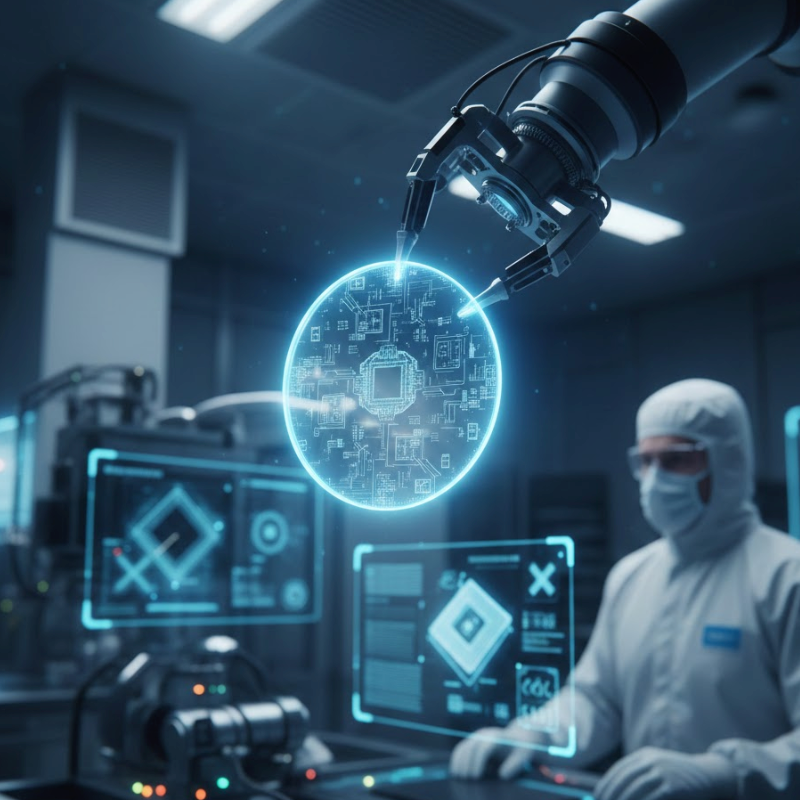
The landscape of South Korea’s technology sector is undergoing a tectonic shift as the nation pivots toward becoming a global "Artificial Intelligence Powerhouse." Driven by the ambitious "Artificial Intelligence for All" agenda and the implementation of the "Artificial Intelligence Framework Act" in January 2026, investment in infrastructure has reached unprecedented levels. The domestic Data Center market, which has already doubled in scale over the past five years, is now projected to skyrocket from five billion dollars in 2025 to over sixteen billion dollars by 2031.
Since the initial smartphone proliferation in 2010, private Data Centers have been on a steady rise. However, the emergence of the Fifth Generation mobile communication technology and sophisticated Artificial Intelligence models has fundamentally changed the requirements for these facilities. In major business districts like Seoul, developers are increasingly repurposing existing office buildings into high-density Data Centers to meet the urgent demand for low-latency processing.
Leading the charge are industry titans such as Samsung and SK Group. A notable development in 2026 is the collaboration between SK Group and international partners to host clusters of up to sixty thousand Graphics Processing Units in dedicated facilities. To manage the extreme heat generated by these high-power processors, the industry is rapidly moving away from traditional air cooling. Instead, advanced liquid cooling and immersion cooling technologies—utilizing specialized non-conductive fluids—are becoming the new standard. Companies like LG Electronics and major domestic refiners are now providing "Coolant Distribution Units" and specialized immersion oils to ensure these "brains of the digital age" operate efficiently.
The South Korean government has further catalyzed this growth by allocating one point sixty-seven billion dollars to support Artificial Intelligence transformation across the public sector this year. With a target to deploy thirty thousand Artificial Intelligence servers by 2027, the focus is not just on capacity, but on "Sovereign Artificial Intelligence"—ensuring the nation remains competitive and independent in the global tech race.