Semiconductor Materials Market Hits Record 73.2 Billion Dollars Fueled by AI and Advanced Node Demand

Semiconductor Materials Market Hits Record 73.2 Billion Dollars Fueled by AI and Advanced Node Demand

Tokuyama Double High-Purity IPA Capacity in Taiwan for Semiconductor Boom Reading Semiconductor Materials Market Hits Record 73.2 Billion Dollars Fueled by AI and Advanced Node Demand 2 phút
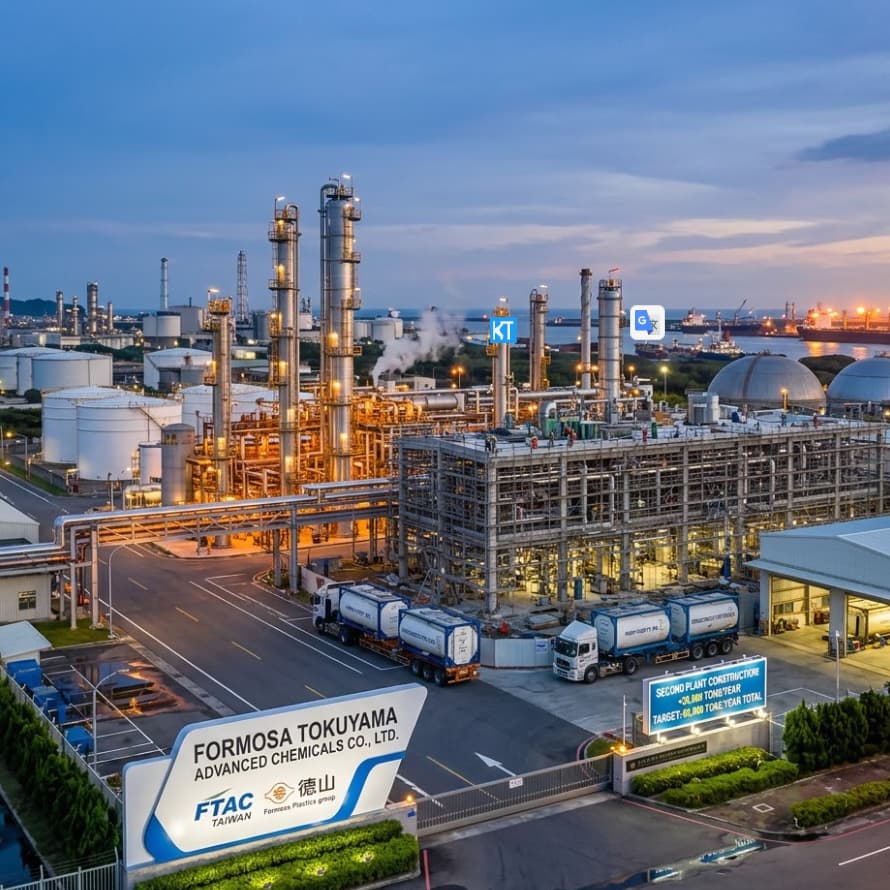
The global semiconductor materials market achieved a historic milestone in 2025, reaching an all-time high of 73.2 billion dollars. According to the latest Materials Market Data Subscription report published by SEMI, the market experienced a robust year-over-year growth of 6.8 percent, driven by expanding process complexities, advanced-node applications, and accelerating investments in High-Bandwidth Memory and high-performance computing.
The market growth was well-balanced across major supply chain segments. Wafer fabrication materials revenue increased by 5.4 percent to 45.8 billion dollars. Within this segment, wet chemicals and lithography-related materials—such as photomasks and photoresists—registered strong double-digit growth. This surge is heavily attributed to tighter lithography requirements and escalating process intensities as chipmakers transition toward more dense and complex node architectures.
Simultaneously, the packaging materials segment expanded significantly by 9.3 percent, generating 274 hundred million dollars in revenue. This portion of the market was primarily propelled by a substantial demand for advanced substrates and an increase in gold prices, which directly impacted the cost and valuation of bonding wires.
Geographically, Taiwan secured its position as the largest consumer of semiconductor materials for the 16th consecutive year, generating 217 hundred million dollars with a 9 percent increase. Mainland China followed in second place at 156 hundred million dollars, marking an impressive 13 percent growth. South Korea maintained its top-three status with 112 hundred million dollars, growing 2 percent. While Europe faced a minor contraction of 6 percent, Mainland China and North America emerged as the standout regions, both posting remarkable double-digit growth rates to anchor the global semiconductor supply chain.